I had friends over last week for my first-ever LAN party. It was as good as I could have hoped: we set out Doritos and pizza and two-liters of soda, we plugged my thrift-shop laptops into a secondhand router on a folding table, and my friends and I played hours of Capture the Flag in Unreal Tournament. That game is 27 years old! A dedicated group of fans has kept it patched so that it will run on pretty much any computer, and it is just as fun now as it was then.
I’ve always been a fan of UT99 myself. I hadn’t played it in a long time, but it had been on my mind recently because of a YouTube channel I came across while looking for work music. It turns out I like tapping away on my little keyboard while robots chase each other around a space station to thirty-year-old songs that still sound like the future.
There are a lot of ambient music videos in the world; a small fraction of them seem to be made with any sort of consideration or intent. When I went looking for more song mixes on that same channel, I quickly realized how much of a passion project it was. The creator behind the channel is named Chris, who is a musician himself as well as a vintage technology collector. But it was a trilogy of videos he made earlier this year—about revisiting a childhood hometown, exploring its outskirts, and grappling with the meaning of nostalgia—that made me curious about his wider creative perspective.
So, because I will just email people, I reached out to Chris and asked if I could interview him. He kindly granted me his time and some of his thoughts, and I’ve edited and hyperlinked this post together from the messages we exchanged. All the images below belong to him.
You create your own music under the project name IIfx, and you also host mixes of 90s tracks on your Youtube channel, LASTCENTURYVIBEZ. I have affection for the genres you focus on, but have never deeply investigated them; I don’t think I could parse the difference between intelligent D&B versus jungle, for instance. Your roots in that range of music seem to go deeper. When and how did you first become interested in these styles?
I grew up in the ’90s and remember sneaking into my older brother’s room, just putting on his CDs at random. One of them was called “Downbeat In The Jungle”, a sampler of reggae-, ragga-, and dub-influenced Jungle, around 1994. Back then I had no idea what I was listening to, but something about it stuck. Looking back, I think that was the moment my musical roots started to form – and when I first became curious about genres beyond what played on the radio. Also, there was this short time frame around the 2000s where we had a very active Drum & Bass club culture in south Germany, enabling me to discover new music and learn how to mix vinyl records (kudos to my brother), which helps when creating the mixes on my channel.
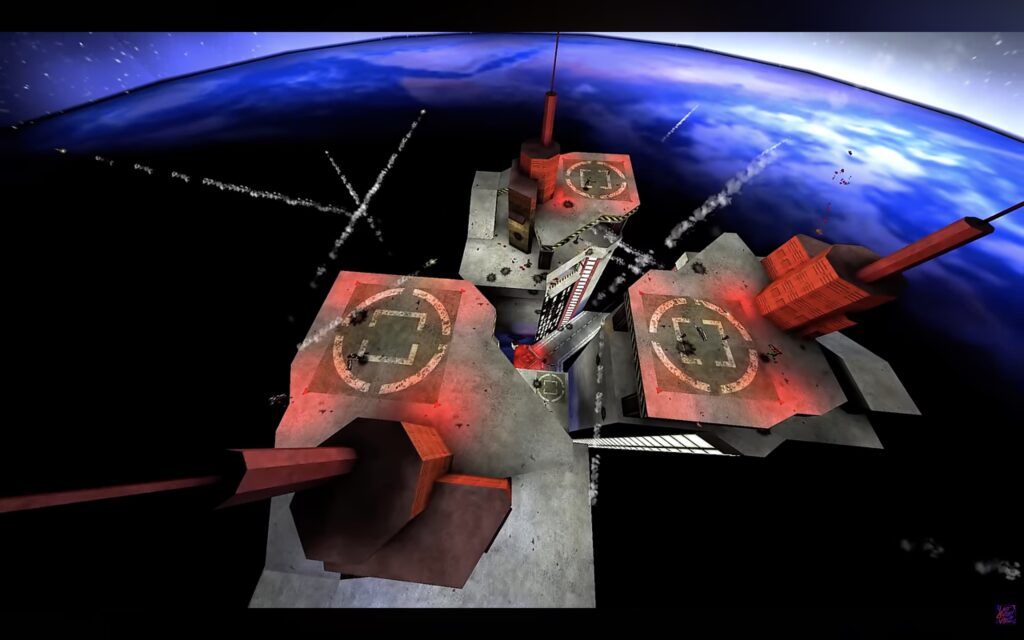
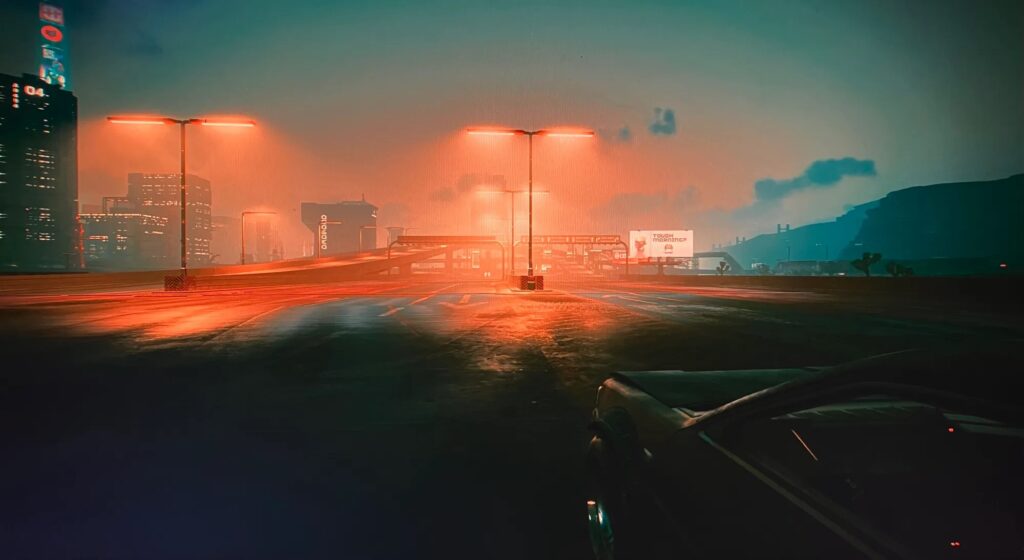
The first videos on your channel seem to be meant for background listening. You have mixes that play over screen recordings of a selected point in an Unreal Tournament map, with a fixed camera, where the only perceptible movement on screen is the skybox animation. Over time you began to explore divergent approaches. Some of your Cyberpunk videos are what you call screensavers, recorded at a static location over in-game days with only ambient sounds and no music. Meanwhile, in your UT music videos, you began to link together multiple static location shots, and then began to play with camera movement across a map while bots played in the background.
Which comes first—the music mix or the video recording? How do these creative constraints affect your choices in video production?
I think my interest in capturing games started in the early 2000s, recording footage with a camcorder. I filmed everything: from 3DMark2001 with its iconic, Matrix-influenced lobby scene to UT99 and Quake 3, where I tried to put together little films: just scenery, bots, and whatever unfolded in-game. So video came first, but these days it’s more of a mixed process, depending on where creativity goes.
As for how I approach video production, there’s no fixed method; I just go with the flow. Sometimes I wanna create something to be played on the living room TV while hanging out with friends; other times nostalgia kicks in and I feel the urge to fire up UT99 or any other game from that era. And: discovering that the UT engine allows for excellent “drone‑like” camera flights using a simple joypad was the foundation for many of my UT videos.
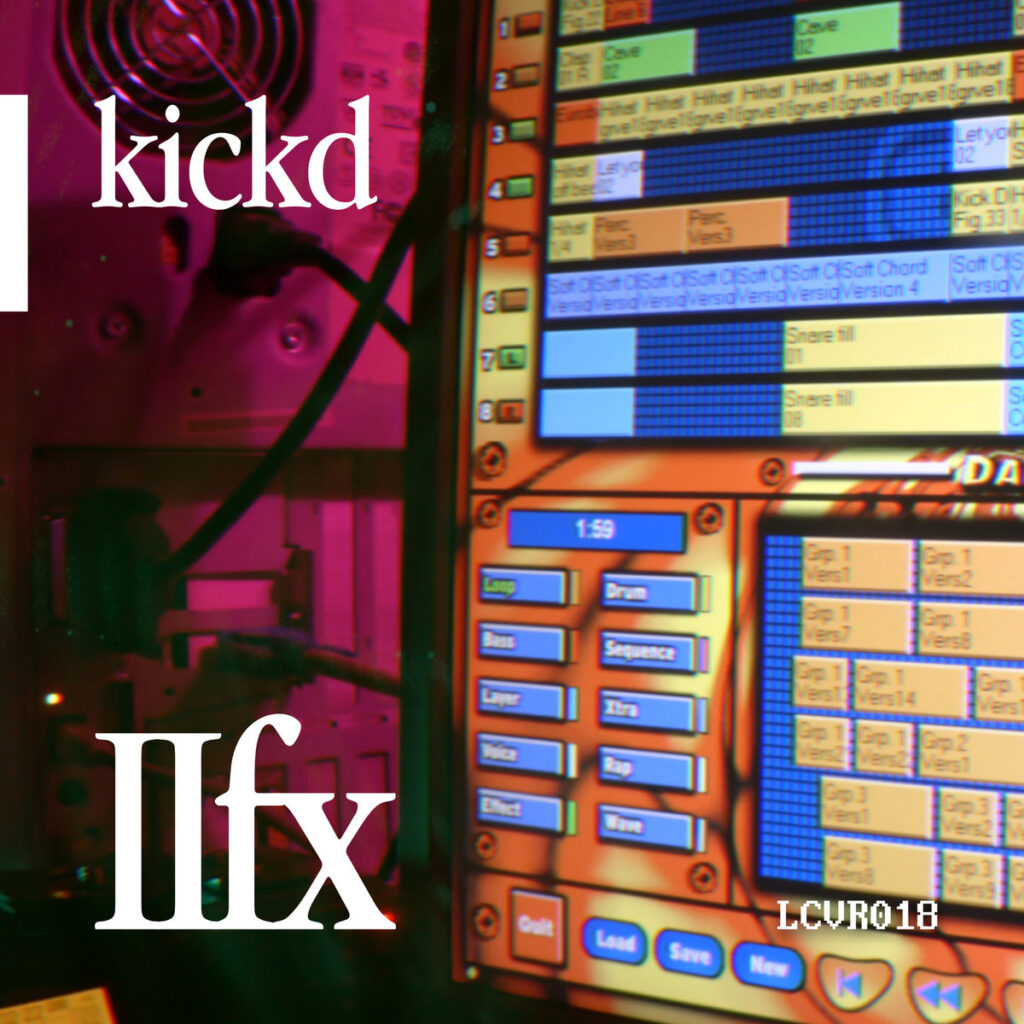
On your most recent IIfx work, “kickd,” the cover photo shows your work on the track in Dance eJay—and you mention in the track description that you don’t usually use it. What made you decide to try producing a song in a program that is nearly 30 years old? What software do you use to make music when you are not immersed in retrocomputing?
When eJay came out in 1997, I spent hours messing around with the limited demo. Eurodance was huge at the time (in Germany), and the idea of creating own tracks in such a simple way felt intriguing. With no music education on my part, eJay must have sparked something. Over the years, I forgot about it — until I rediscovered eJay while working on a retro PC build, realizing that I kinda owe it to myself to make at least one track with this software.
For my regular productions, I use an old Mac and Logic 10, along with Roland and Yamaha gear like the Juno‑6, TR‑505, and Yamaha’s CS1x; I like the idea of working with hardware synths and keeping things simple.
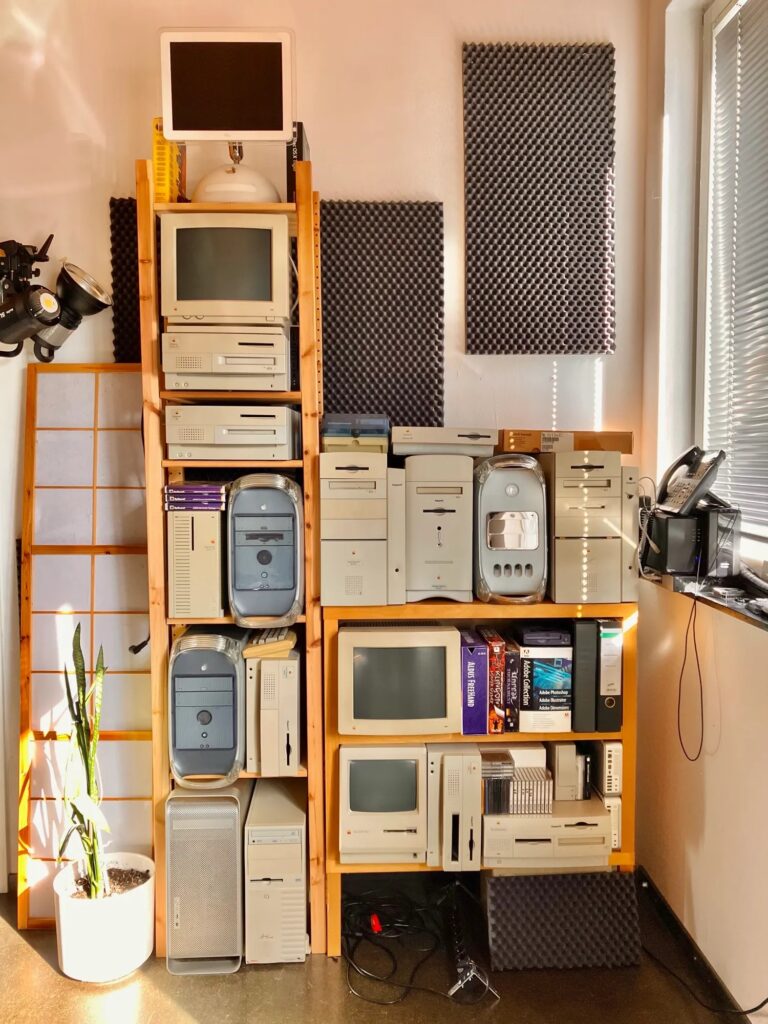
On the topic of old computers, you own a beautiful collection of vintage Macintosh hardware, some of which you have shown in use in your videos. When did you start that collection? Do you have a goal or a set of principles that have helped you choose what to add to it?
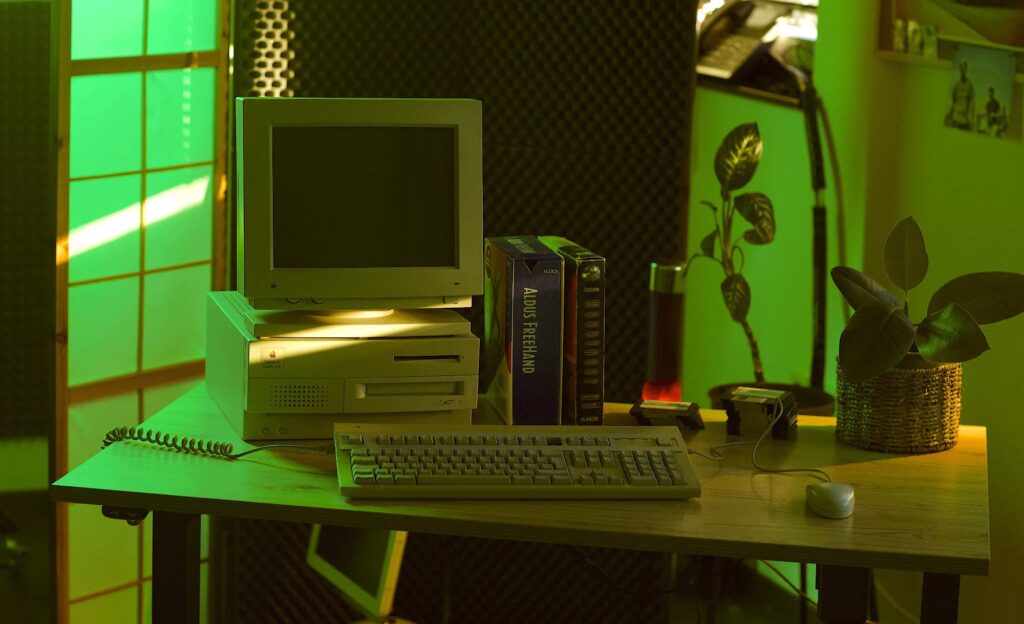
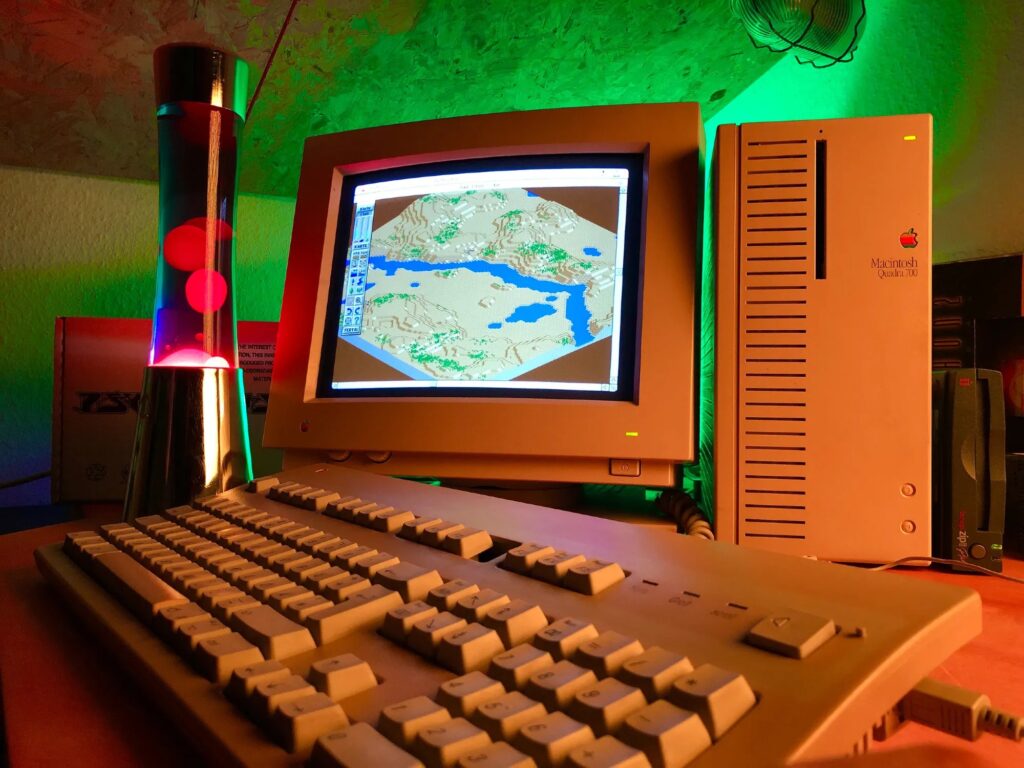
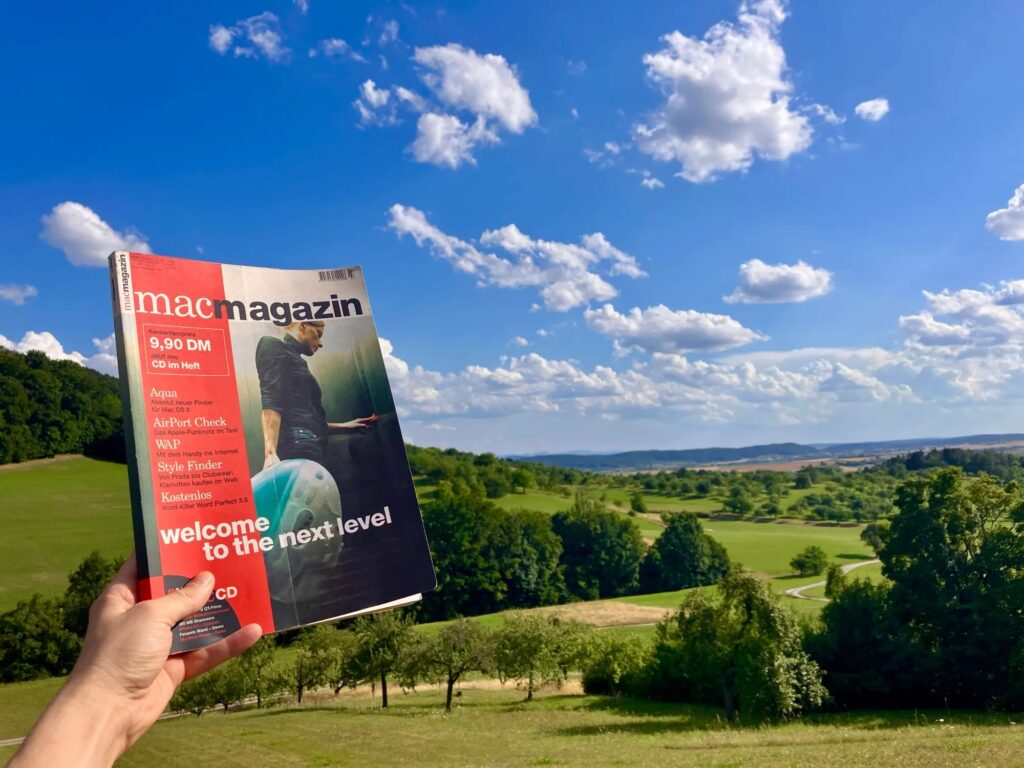
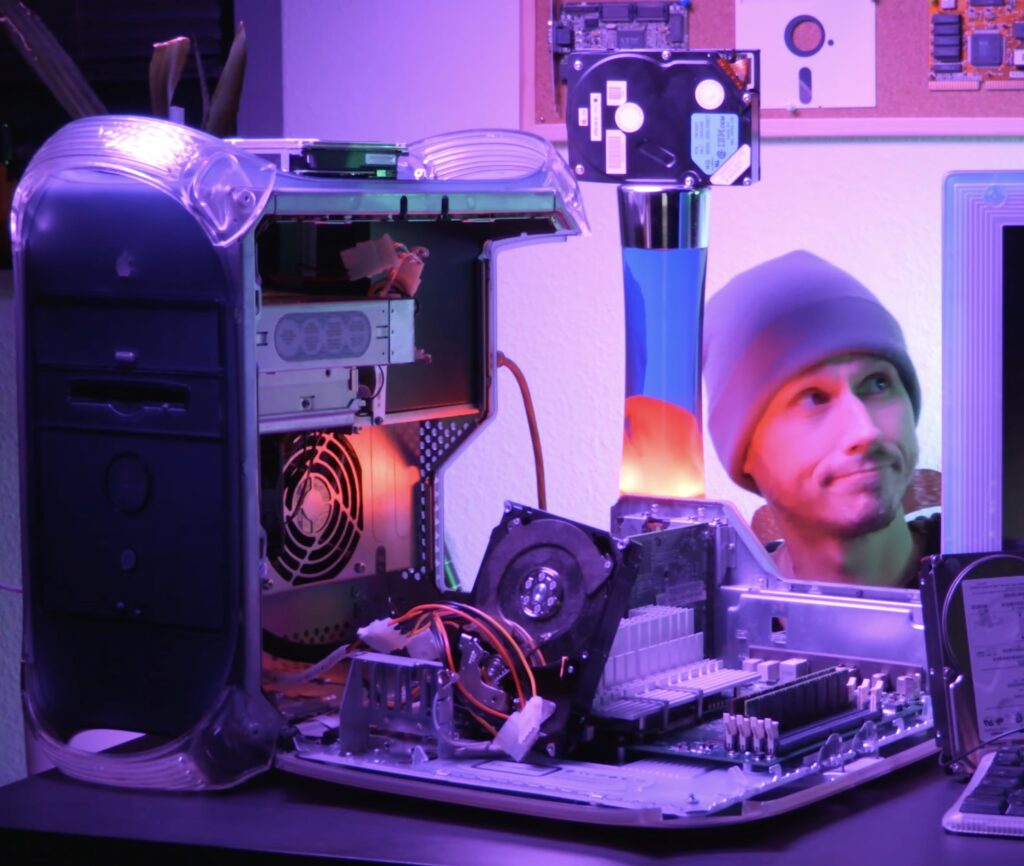
My dad ran a small typesetting company, laying out books. At some point he’d had enough of me wrecking the Macs in the office, so he decommissioned a “pizza‑box” Performa 475 (around 1994) for me to play around with. Collecting computers stuck with me since then, without any real principle; just the ones I have the strongest memories of. I still use many of those Macs to revisit that time and keep them running as well as possible. Kind of a secondary goal is to capture what it felt like to live in the “Apple ecosystem” before Steve Jobs returned (i.e. before the whole iPod/iPhone era took shape), so I’m currently finishing more videos focused on Apple computers + software/games from 1990 to 1998.
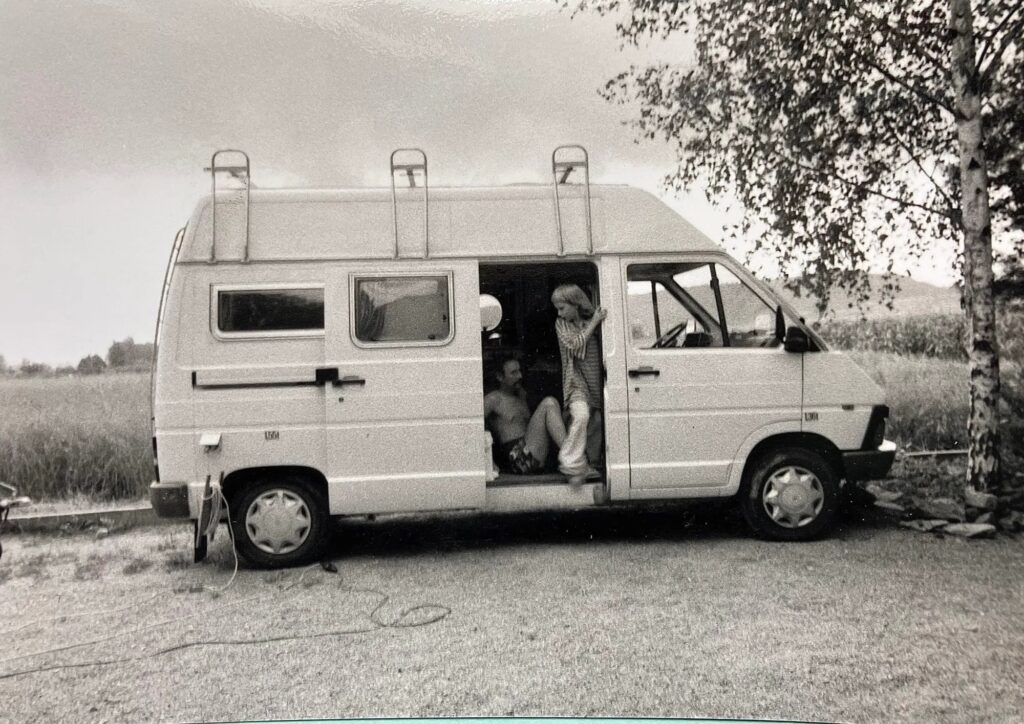
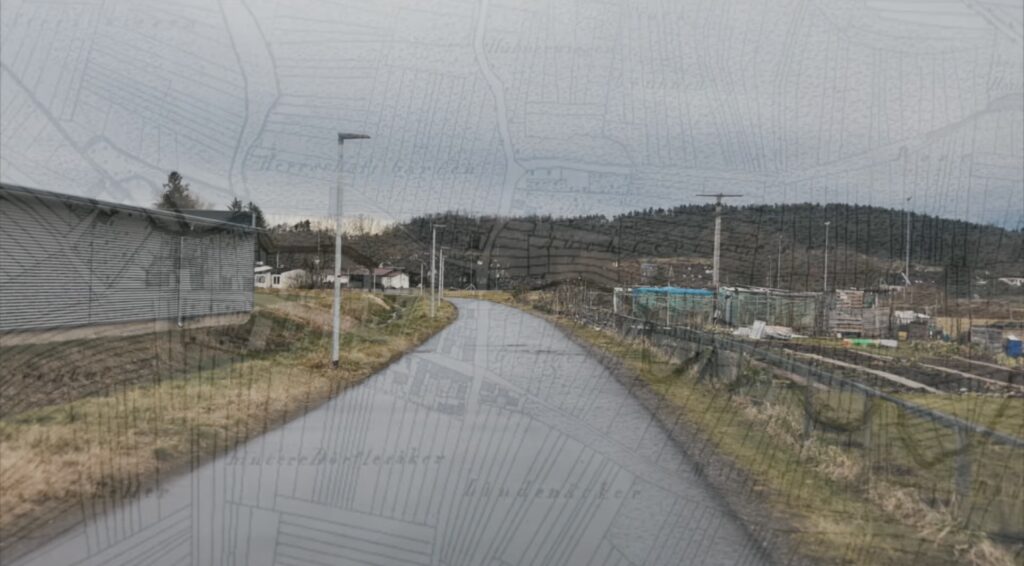
I followed your channel because I liked your music videos, but I was moved to write to you by your narrative video, “My Boring 90s Childhood Town (in Rural South Germany).” I grew up in suburban-rural Kentucky in the US, thousands of miles from there, and I’m a few years older than you are as well. But the feelings you expressed in that video were very familiar to me. You have another video with a more philosophical exploration of the topic, called “The Dreadful Feeling of Nostalgia.” Together they form a nuanced expression for someone whose creative output is so much about the retrospective.
What would you say you are conveying about the past in your music and your game-based videos? Does it also inform your approach to physical collecting?
I’m glad you can relate to these videos; I didn’t expect much feedback for such personal reflections about the past. Originally I wanted to explore the connection between “the 90s in a small town” and gaming, but it felt too abstract when I was cutting the video, so I left it out. I still feel a bit awkward admitting how much UT99 and games from that era still shape me. It’s not just the visuals; it’s the whole vibe of those games and that scene.
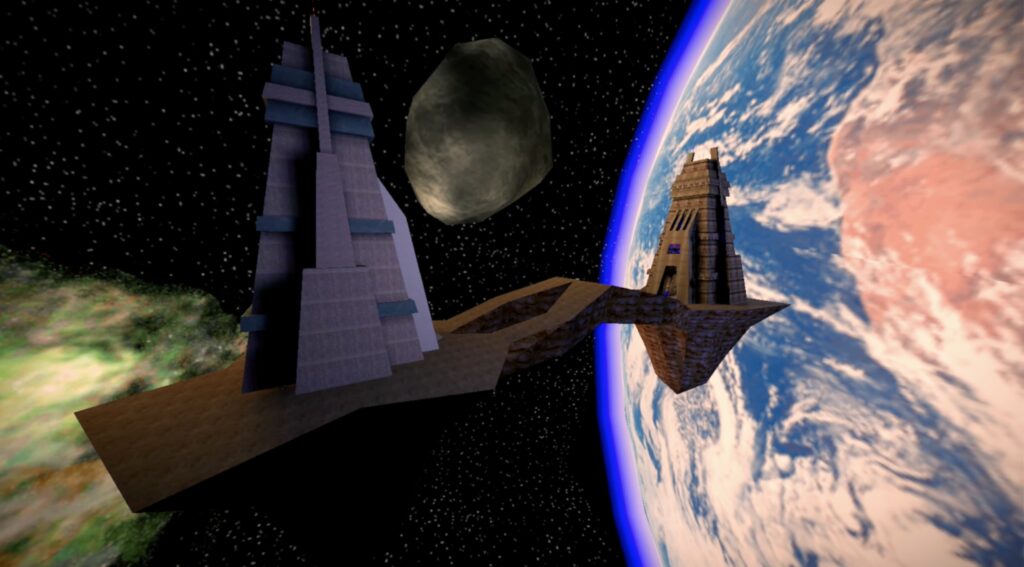
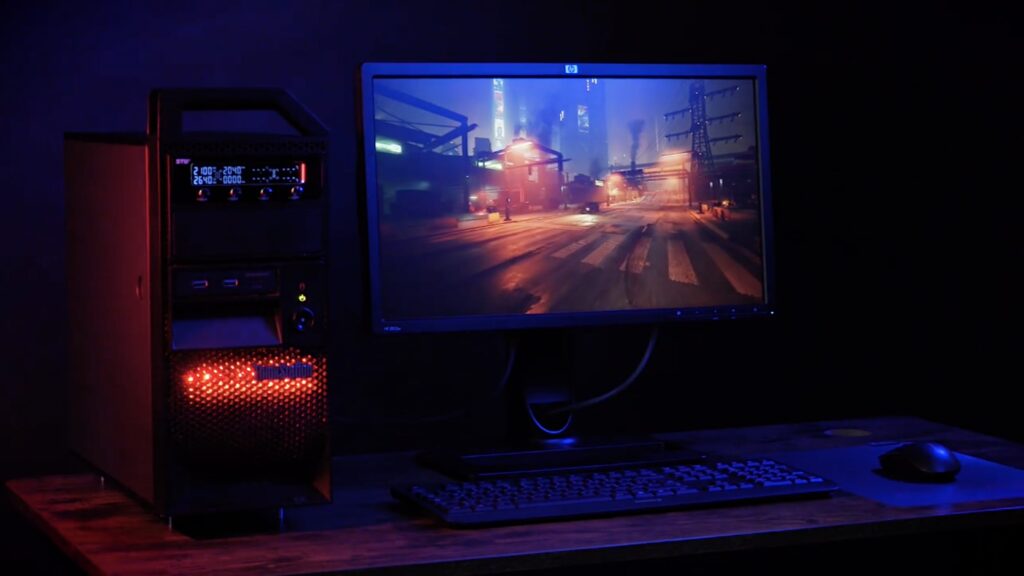
The comments on the “UT with Bots” series show how deeply people connect to it. Something clearly hit a nerve, the videos seem to be stirring up long‑buried memories. And I’m grateful there’s a whole community out there making tributes to that very specific, short window in gaming history (late 90s, early 2000s). At the same time, Cyberpunk 2077 (released 2020) gives me a breath of fresh air, letting me step outside the Unreal Tournament/Jungle/Drum & Bass world and try new things with different music. I’d really recommend watching the video “Automated Love — A Cyberpunk Love Letter” on my channel to get a more modern, laid‑back, underground sense of where Drum & Bass has gone after Jungle, Intelligent, and the sub-genres that eventually ran out of steam.
So you practiced mixing with vinyl before you did mixes on YouTube. You time-travel to old software experiences by using vintage physical hardware rather than emulation. You prefer to make digital music on hardware instruments instead of software synthesizers, too. You started recording games by using a camcorder pointed at a monitor.
I see a certain creative theme that runs across those things, about grounding the virtual or digital in the concrete and analog. I think that is something that made me interested in your work before I even realized it. In that light, it makes a lot of sense that you wanted to draw a connection between gaming and a small-town experience in the 90s! Can you tell me a little more about the abstract stuff you decided to cut from that video? Also, you mentioned a whole community making tributes to games from the turn of the millennium—who else should I follow for more of that?
Regarding your question about community: on YouTube there’s “xnot”, which I would call my biggest inspiration. And there’s “firewalker” and “juliomonk” — massive kudos to all of them. There are plenty of more channels covering the topic, but I gotta admit I do not know the names of all of them.
When making the video My Boring 90s Childhood Town, the original idea was to draw a connection between my experiences of growing up in the 90s and the fact that I spent a large amount of time playing titles like Unreal, Quake, Half-Life, Hitman etc. I was absolutely hooked on those games, mainly because back then everything gaming-related was just taking shape — graphics API standards were emerging, 3D accelerator cards were being invented, and you needed at least a basic understanding of computers and technology to get things up and running. It was an exciting time.
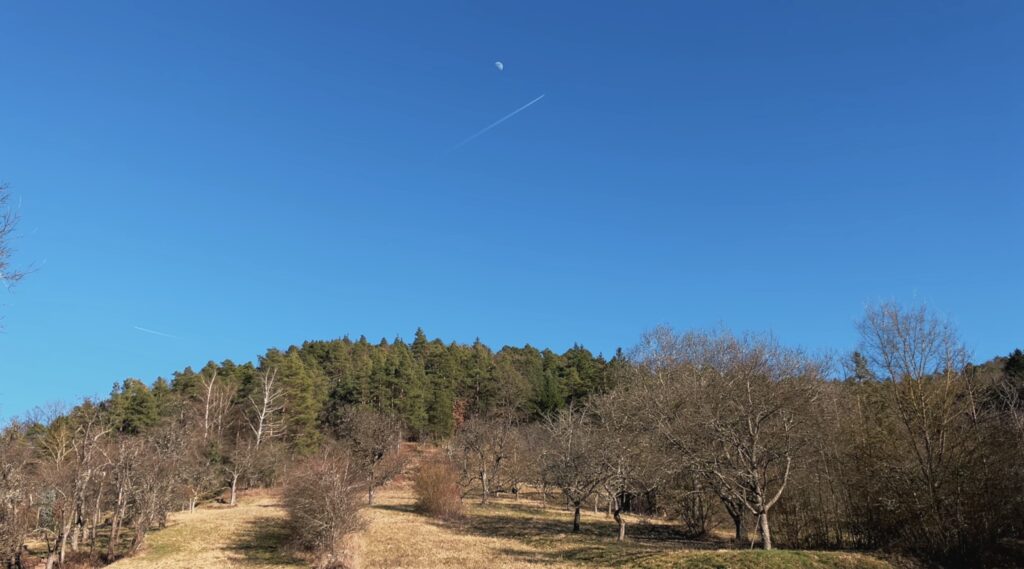
At the same time, I spent a lot of time outside, exploring nearby fields, forests, and an almost marsh-like environment. There was a kind of convergence between these two worlds: the digital domain and ‘reality’ — experiencing nature and the sense of mystery that comes with discovering the world at a young age. Maybe I kinda projected the textures, maps, graphics, and sounds from those games onto the real world, creating a sort of playful adventure.
As a child, you still possess that ability to a large extent. For example, we played a lot of Action Quake 2 — a semi-realistic modification for the Quake 2 engine — which featured these intriguing urban-styled maps full of moody alleys, dramatic light and shadow, ambient noise. For us, this translated into roaming the empty streets of my village in the evening or at night, half-pretending we were inhabiting the same atmosphere we felt in the games: the vibe, the tension, the mood.
This also brings me to why conveying this message in the video felt so difficult: I simply didn’t have the right means to tell the story adequately, and I was worried about losing people with what is, admittedly, a rather abstract concept. But maybe one day I’ll revisit the idea.